Rug Pull Explained How It Works And Risks
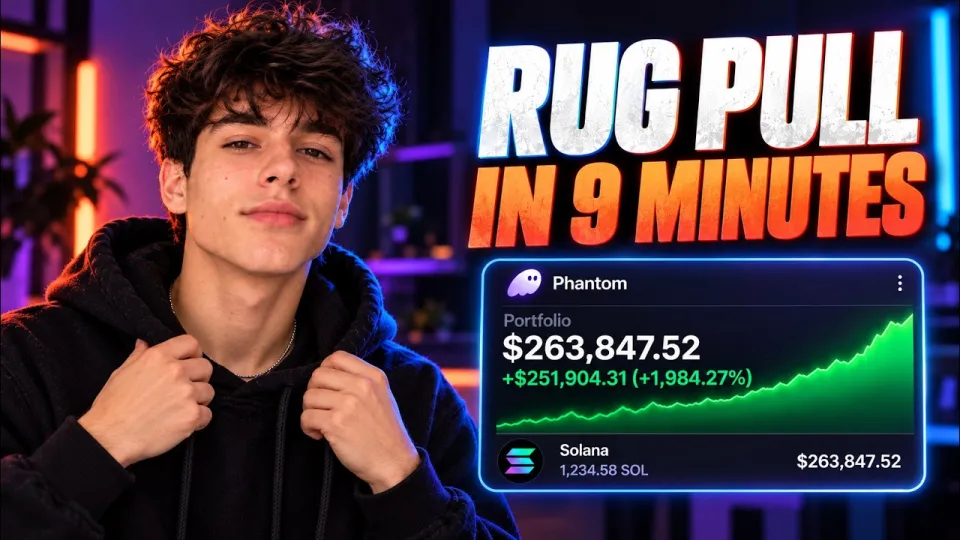
Video: Create and Rug Pull a Meme Coin in 10 Minutes
A rug pull is a deceptive practice in the cryptocurrency world where developers create a token—often a meme coin—and then abruptly withdraw liquidity, leaving investors with worthless assets. This scam exploits trust and the relatively unregulated nature of decentralized finance (DeFi), particularly on chains like Solana. Understanding rug pulls is essential for both developers and investors to recognize warning signs and avoid significant financial losses. For hands-on token creation, tools like toolmint.biz enable quick meme coin launches, but they can also be misused for rug pulls.
How Rug Pulls Work in Crypto
Rug pulls typically involve creating a new token on a blockchain such as Solana, adding liquidity to a decentralized exchange (DEX) like Raydium or pump.fun, and then manipulating the liquidity pool. The token creators control the mint authority and liquidity pool tokens. Once enough investors buy in, the developers withdraw or "pull the rug" by removing liquidity, causing the token’s price to crash to near zero. Key stages include:
- Token creation with specified supply and minting controls
- Adding liquidity on platforms like pump.fun or Raydium
- Marketing or hype generation to attract buyers
- Sudden liquidity withdrawal leading to price collapse
Creating and Launching Meme Coins on Solana
Creating a Solana meme coin can be done in minutes using no-code tools such as toolmint.biz, which simplifies the process of token setup. Developers assign authorities like mint and freeze and determine the supply. Launching the token involves depositing liquidity into pools on decentralized exchanges like pump.fun or Raydium, which act as automated market makers (AMMs). These platforms facilitate trading and price discovery but also expose investors to risks if liquidity is not properly locked or secured.
Common Rug Pull Patterns and Red Flags
Recognizing rug pull schemes requires understanding typical warning signs:
- Unlocked Liquidity: If liquidity pool tokens are not locked or burned, developers can withdraw funds anytime.
- Centralized Token Authority: When mint or freeze authorities remain with developers, they can inflate supply or freeze tokens arbitrarily.
- Rapid Token Supply Changes: Sudden minting or burning of tokens can manipulate prices.
- Unverified or Anonymous Creators: Lack of transparency about the development team increases risk.
- Aggressive Marketing with Little Substance: Heavy hype without clear project fundamentals often signals a pump-and-dump.
How Liquidity and Token Prices Are Manipulated
Liquidity manipulation is the core of rug pulls. Developers control liquidity pool tokens representing the paired assets (e.g., SOL and meme coin). By removing liquidity, they drain the pool, causing the token price to plummet. Additionally, they may:
- Mint additional tokens to flood the market
- Use coordinated buys and sells to pump prices artificially
- Exploit bonding curves on launch platforms like pump.fun to create fake demand
Investors should inspect token authority status, liquidity lock conditions, and trading volume before buying new tokens.
Essential Security Checks Before Buying New Tokens
To reduce exposure to rug pulls, perform the following checks:
- Verify token contract on Solana explorer and check mint and freeze authorities.
- Confirm if liquidity pool tokens are locked or burned.
- Analyze wallet distribution to detect concentration of tokens in developer hands.
- Review project transparency and developer credentials.
- Use trusted tools and platforms for token analysis and research.
Useful Links
- toolmint.biz — create your own meme coin or check tokens
- pump.fun — launch and trade Solana meme tokens
- Raydium — liquidity pools and AMM on Solana
Conclusion
Rug pulls are a significant threat in the crypto market, especially among rapidly launched meme coins on Solana. Understanding how these scams operate—from token creation and liquidity setup to manipulation tactics—empowers investors to spot red flags and protect their assets. Tools like toolmint.biz enable both legitimate token creation and potential misuse, so caution and thorough security checks are crucial. This article is based on insights from the channel الأستاذ مهيدي للرياضيات و الفيزياء, which provides detailed tutorials and explanations on Solana meme coin mechanics and crypto security.
Key takeaways
- Rug pulls are fraudulent schemes where developers drain liquidity from a token.
- Solana meme coins can be created and rug pulled within minutes using platforms like pump.fun.
- Liquidity manipulation is central to most rug pulls and affects token prices drastically.
- Common red flags include locked liquidity absence and suspicious token authority controls.
- Proper security checks and due diligence help investors avoid costly rug pull scams.
Questions & answers
What is a rug pull in cryptocurrency?
A rug pull is a scam where developers of a cryptocurrency token suddenly withdraw liquidity from the market, causing the token’s price to crash and leaving investors with worthless assets.
How can I recognize a potential rug pull?
Warning signs include unlocked liquidity pool tokens, centralized control over minting or freezing, anonymous developers, rapid supply changes, and exaggerated marketing without a solid project foundation.
What platforms are commonly used to launch Solana meme coins?
Platforms like pump.fun and Raydium are popular for creating, launching, and adding liquidity to Solana meme tokens, but they can also be exploited for rug pulls if used maliciously.
How can investors protect themselves against rug pulls?
Perform security checks such as verifying token contract details, ensuring liquidity is locked, analyzing wallet distribution, researching the project team, and using trusted analysis tools before purchasing new tokens.
Source: Create and Rug Pull a Meme Coin in 10 Minutes · Markdown version